
Does achy, stiff shoulder pain have you reaching for the pain relievers? You might be experiencing frozen shoulder, a condition that limits your shoulder’s movement. While massage can feel amazing, understanding its role in frozen shoulder recovery is key.
Massage for Comfort, Not a Cure
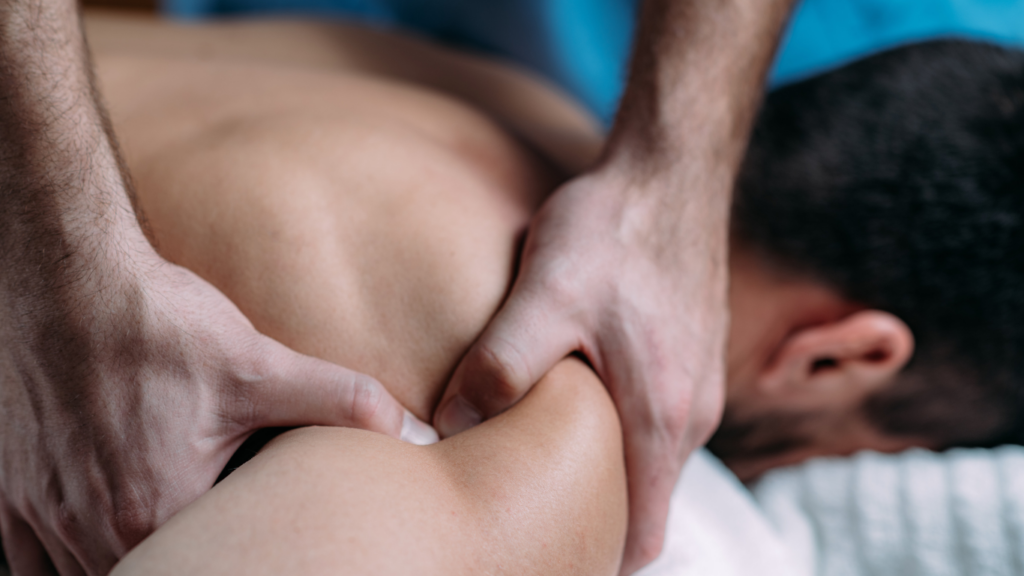
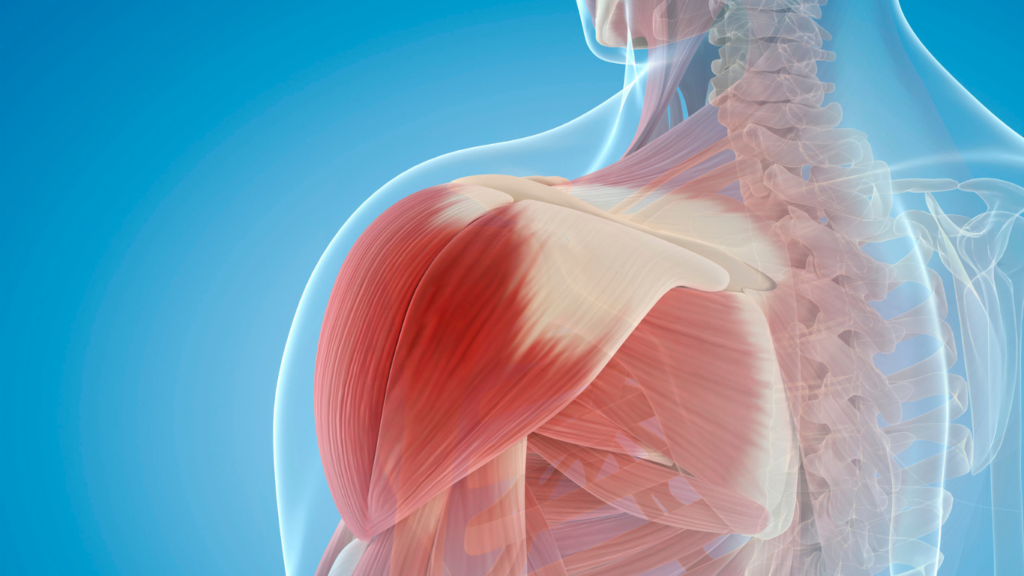
Massage therapy offers relaxation and temporary pain relief. But for frozen shoulder, it doesn’t address the root cause – tightness in the shoulder capsule. This capsule surrounds the joint, and when it thickens, movement becomes restricted.
Frozen Shoulder Stages and Massage
Frozen shoulder progresses through three stages: freezing, frozen, and thawing. Each has distinct symptoms, and massage can play a supportive role:
- Freezing Stage (2-9 Months): Pain and stiffness gradually worsen. Massage can help ease pain and potentially slow mobility loss.
- Frozen Stage (4-12 Months): Movement becomes severely limited. Massage can provide pain relief and help prevent muscle wasting, but won’t shorten this stage.
- Thawing Stage (6 Months – 2 Years): Movement slowly improves. Massage can aid stretching exercises, speeding up recovery.
Beyond Massage: Effective Treatments
While massage offers comfort, consulting a specialist is crucial. Here are some effective treatments:
- Physical Therapy: Stretching and strengthening exercises to improve mobility and flexibility.
- Medication: Anti-inflammatory drugs to reduce pain and inflammation.
- Corticosteroid Injections: Injections into the shoulder joint to reduce inflammation.
Self-Massage for Temporary Relief
If you’re looking for at-home pain management, consider self-massage with a foam roller:
- Place the foam roller under your affected armpit.
- Lean on a table for support and gently roll back and forth.
- Increase pressure as tension eases and try rotating your upper arm while rolling.
Remember: Consult your doctor before starting any self-treatment.
Key Takeaway
Massage can be a helpful addition to your frozen shoulder recovery plan, but it’s not a replacement for professional treatment. Talk to your doctor about a comprehensive treatment approach to regain full shoulder function and live pain-free.