
If you’re a parent or caregiver, this probably sounds familiar:
You’re not just busy but you’re always on.
Even when you sit down, your body doesn’t fully relax. Your shoulders stay tense, your jaw clenches, and your mind keeps running through what needs to be done next. Over time, this constant state of readiness shows up as aches, stiffness, and fatigue.
At Body First Wellness Centre, we often see people come in for “a bit of tension,” only to realize their body has been holding stress for much longer than they thought.
Why Your Body Holds Stress (Even When You’re Resting)
When you’re responsible for others, your nervous system often stays in high alert mode. This is your body’s natural stress response doing its job but never getting a proper break.
Even while resting, your muscles may stay slightly contracted. This low-level tension builds quietly and can lead to:
- Tight shoulders and upper back from carrying, lifting, or leaning forward
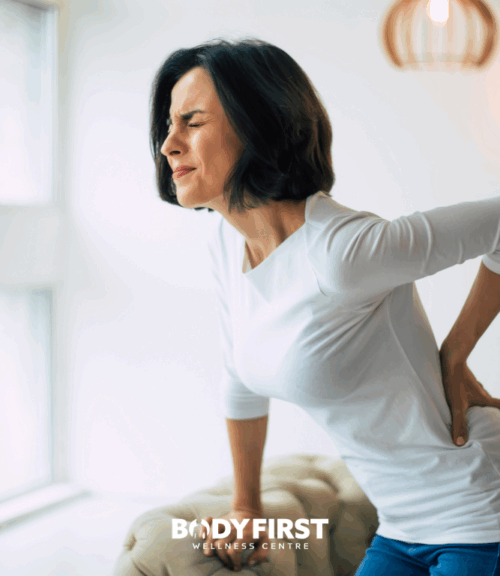
- Low back discomfort from repetitive bending and twisting
- Tension headaches starting at the neck or jaw
This isn’t a posture problem or a lack of fitness. It’s your body adapting to ongoing responsibility.
A Quick Self-Check
You might be holding stress physically if you:
- Wake up stiff even after sleeping
- Feel tired despite resting
- Get headaches or neck pain without a clear cause
- Notice your shoulders stay raised during the day
If this sounds familiar, your body may need recovery not more pushing.
What Chronic Tension Does to the Body
When muscles stay tight for long periods:
- Blood flow is reduced
- Oxygen delivery to tissues drops
- “Knots” or trigger points develop
- Movement becomes more restricted
Over time, this can make small stresses feel overwhelming and increase the risk of flare-ups like back spasms or shoulder pain.
Why Massage Therapy Helps (Beyond Relaxation)
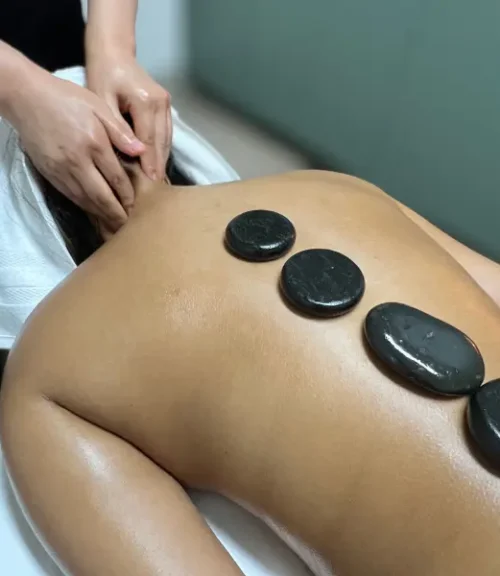
Registered Massage Therapy supports the body in ways rest alone often can’t:
- Calms the nervous system by shifting the body out of fight-or-flight
- Releases deep muscle guarding that builds from constant stress
- Improves circulation and mobility, helping muscles move more freely
- Supports better sleep and energy levels by reducing physical tension
Many people notice they don’t just feel looser they feel calmer and more present.
Simple Ways to Reduce Daily Tension
Between sessions, small habits can help:
- Drop your shoulders and unclench your jaw a few times a day
- Take slow, longer exhales to signal safety to your body
- Switch sides when carrying children or bags
- Treat recovery as essential, not optional
These steps won’t eliminate stress — but they help prevent it from settling into your body.
A Gentle Reminder
Caring for others requires energy, patience, and physical resilience. Supporting your body isn’t a luxury it’s part of staying well.
You don’t need to wait until pain forces you to slow down. Sometimes, the most helpful thing you can do is allow your body to reset.
Your body works hard for you. It deserves care too.