
Chronic back pain, a persistent ache plaguing millions of adults, can significantly disrupt daily life. But there’s hope! This guide explores various non-surgical chronic lower back pain treatment options to empower you to manage your pain and reclaim your quality of life.
Understanding the Culprits: Common Causes of Chronic Back Pain
- Spinal Arthritis: Gradual wear and tear on the spine’s cartilage can lead to inflammation and pain.
- Spinal Stenosis: Narrowing of the spinal canal compresses nerves, causing pain, numbness, and weakness.
- Disc Problems: Herniated or bulging discs irritate nearby nerves, resulting in pain that may radiate down the leg (sciatica).
- Myofascial Pain Syndrome: Chronic muscle pain and tenderness without a clear underlying cause.
Beyond Medication: A Multifaceted Approach to Relief
While medication can play a role, a holistic approach often yields the best results. Here are some key non-surgical chronic back pain treatment options:
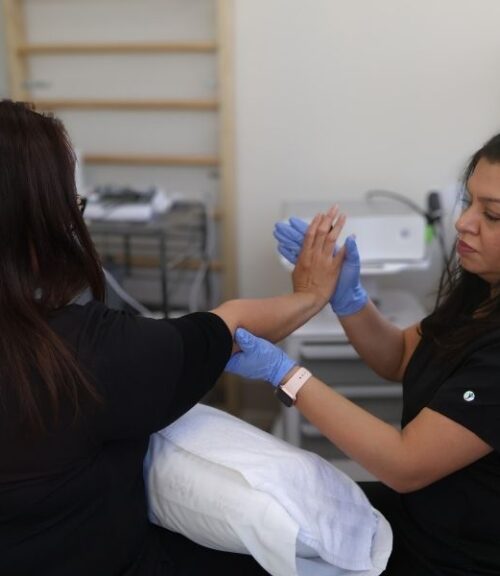
- Physical Therapy and Exercise: The cornerstone of chronic back pain management. A personalized program by a certified spine physical therapist strengthens core muscles, improves flexibility, and retrains posture, promoting long-term stability and pain reduction.
- Mind-Body Techniques: Chronic pain can take a toll mentally. Mindfulness meditation, yoga, and tai chi can help manage stress, anxiety, and depression associated with chronic pain, offering a sense of control and improving overall well-being.
- Dietary Modifications: A pro-inflammatory diet can exacerbate pain. Explore dietary changes with your doctor or a registered dietitian. Reducing trans fats, refined sugars, and processed foods while incorporating anti-inflammatory options may significantly improve symptoms.
- Lifestyle Adjustments:
- Listen to your body: Take breaks during strenuous activities, avoid heavy lifting, and delegate tasks when needed.
- Maintain a healthy weight: Excess weight puts additional strain on your spine.
- Quit smoking: Smoking hinders healing and worsens pain.
- Prioritize quality sleep: Proper sleep promotes healing and pain management.
- Injection-Based Treatments:
- Trigger point injections: Precise injections target specific muscle knots to alleviate pain.
- Epidural steroid injections: Steroids injected into the epidural space around the spinal cord can reduce inflammation and pain.
- Nerve blocks: Injections target specific nerves to temporarily block pain signals.
- Alternative Therapies: While research is ongoing, some people find relief with acupuncture, massage therapy, biofeedback therapy, laser therapy, and electrical nerve stimulation.
When is Surgery Considered? “Red Flag” Symptoms and Treatment Options
If you experience sudden or worsening symptoms like bowel/bladder dysfunction, leg weakness, gait problems, or brisk reflexes, consult a doctor immediately. These “red flag” symptoms might necessitate surgery. Surgery may also be an option if a specific cause is identified and conservative treatments haven’t provided relief.
Remember: Surgery is a major undertaking. Consult multiple spine surgeons to gather a comprehensive picture of your options and make an informed decision.
Living Well with Chronic Back Pain: Additional Tips
- Set realistic goals for pain management and improvement.
- Don’t lose hope! Chronic pain management is a journey, and progress takes time.
- Connect with support groups. Sharing experiences with others who understand your struggles can be incredibly helpful.
- Maintain open communication with your doctor. Discuss all treatment options and voice any concerns you may have.
By exploring these non-surgical chronic back pain treatment options and adopting healthy lifestyle habits, you can effectively manage your pain and reclaim an active, fulfilling life.